Mechanics Behind Multi-Hand Blackjack Variants at Premier Digital Casinos
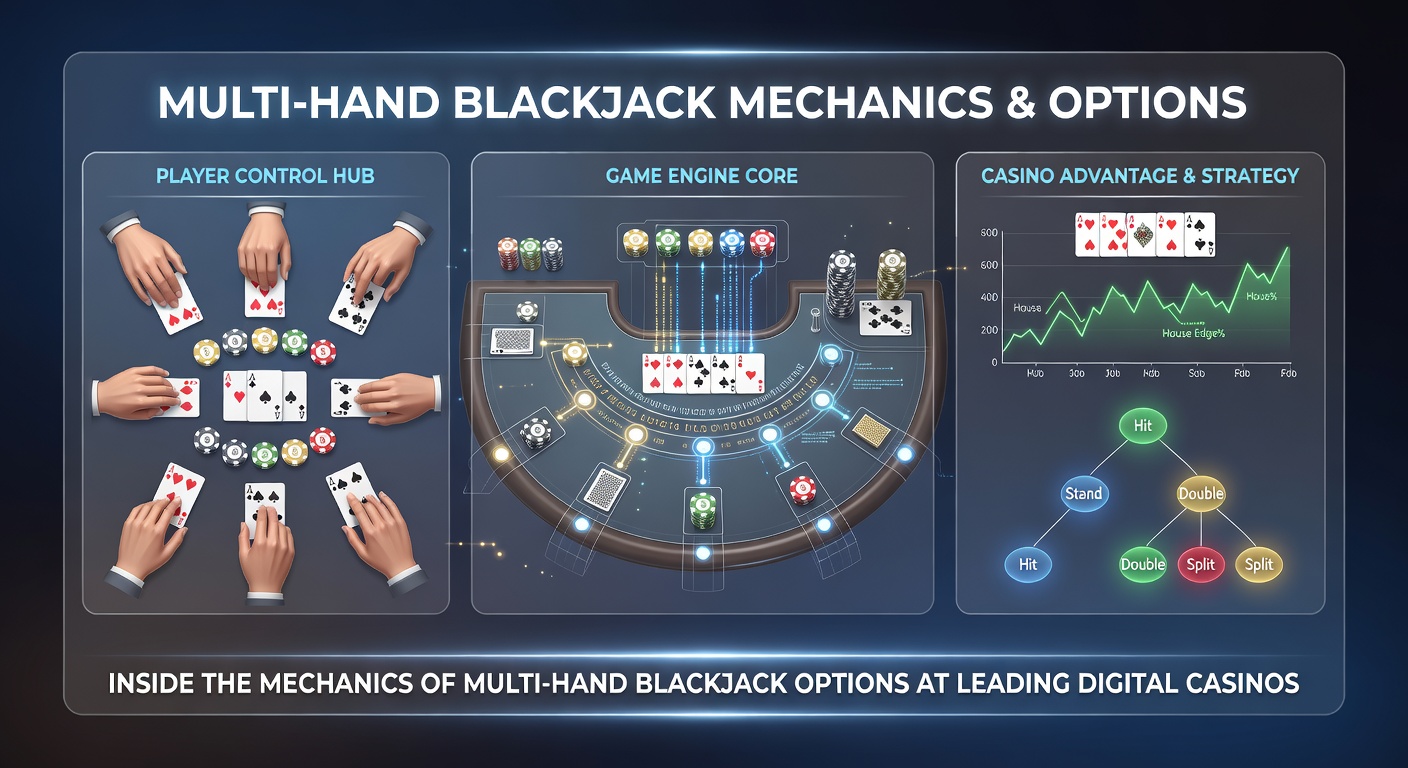
Multi-hand blackjack allows participants to play several hands in a single round against the dealer which expands strategic choices and alters the pace of play compared to standard single-hand formats while digital platforms streamline these mechanics through automated dealing sequences and real-time interface updates. Observers note that this option appears across many leading online casino environments where software providers integrate it into both random number generator games and live dealer streams to accommodate different player preferences and session lengths.
Core Operational Structure
Each multi-hand round begins when a player selects the number of hands typically ranging from two to five positions and places individual wagers on each before the dealer distributes cards in sequence which follows the same rules as classic blackjack yet applies them across all active spots simultaneously. Data from industry reports indicate that this parallel structure reduces waiting time between decisions because players resolve actions on one hand before moving to the next in most implementations and software often highlights eligible moves such as splitting pairs or doubling down on qualifying hands to maintain clarity throughout the process.
Leading platforms incorporate adjustable settings that let users toggle between simultaneous reveals or sequential processing which affects perceived speed and decision-making flow while certain variants include insurance options available on all hands if the dealer shows an ace. Those who've studied these systems know the house edge calculations remain consistent with single-hand blackjack when standard rules apply though multi-hand play can amplify variance over shorter periods because multiple outcomes resolve together.
Available Configuration Choices at Digital Sites
Digital casinos present several configuration paths for multi-hand blackjack including options to lock bet amounts across hands or adjust them independently based on card composition which gives experienced participants greater control during extended sessions. Research indicates that some interfaces display side bet opportunities such as perfect pairs or 21+3 on individual hands while others restrict these features to the primary position only and operators update these parameters periodically to align with regional regulations and player feedback trends.
Platforms often feature quick-select buttons for common actions like standing on all hands or hitting specific ones which streamlines gameplay for mobile users who access tables through apps designed for touch interaction. One study revealed that these interface enhancements contribute to higher session continuity rates because they minimize navigation steps between hands and allow focus on card counting or basic strategy adjustments across multiple positions at once.
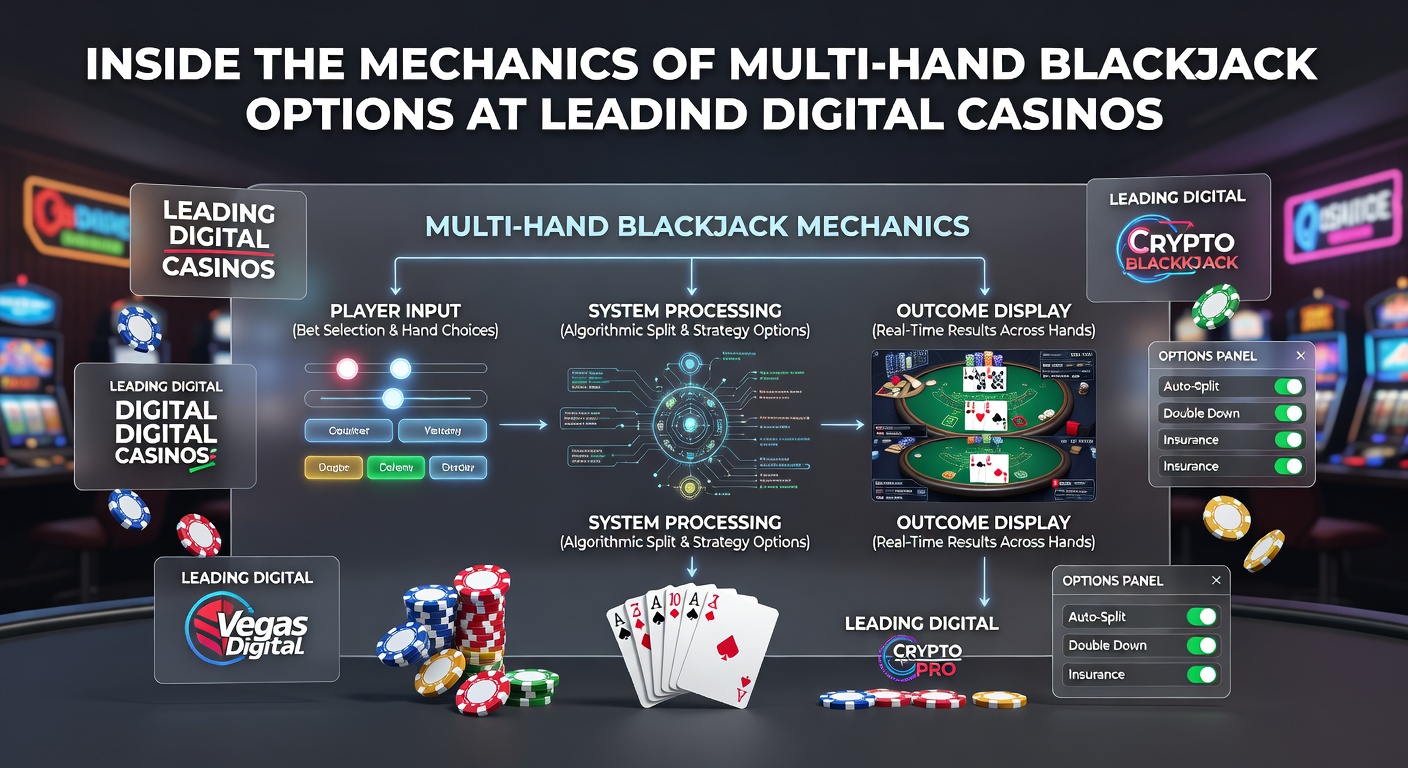
Take one software developer who integrated dynamic hand indicators that change color based on optimal play recommendations derived from probability models and this feature appears in several top-tier digital environments as of early 2026. Meanwhile regulatory bodies in various jurisdictions continue to review how multi-hand formats interact with responsible gaming tools such as session timers and deposit limits which operators must implement uniformly across all table types.
Strategic Adjustments and Probability Factors
Participants frequently adapt standard blackjack charts when engaging multiple hands because card depletion from one position influences remaining decks available to others though most digital versions shuffle after each round which neutralizes traditional counting advantages in many cases. Evidence suggests that composition-dependent decisions become more relevant here since a player might choose to double on one hand while standing on another depending on the visible dealer card and total count across positions.
According to findings from academic analyses of variant rules multi-hand play does not inherently shift the mathematical edge when payout structures stay fixed yet it can increase overall exposure per round and this dynamic prompts users to monitor bankroll allocation more closely during longer sessions. What's interesting is how certain providers introduce rule tweaks like dealer stands on soft 17 across all hands or allows surrender on any position which further customizes the experience without altering core mechanics.
Integration with Live Dealer and RNG Formats
Live dealer multi-hand tables stream from professional studios where multiple camera angles capture card distribution across player positions and chat functions enable interaction with dealers who announce actions in sequence to keep the table synchronized. Industry data shows these setups gained traction in May 2026 as operators expanded offerings to meet demand for hybrid experiences that combine digital speed with human oversight and many sites now list average table limits alongside hand count availability to help users select suitable environments.
RNG-powered versions operate through certified algorithms that ensure fair card distribution across hands and independent testing agencies verify these systems on a regular basis to maintain compliance standards across international markets. Observers note that this dual availability lets participants switch formats within the same account which supports varied play styles from quick mobile sessions to immersive desktop experiences.
Conclusion
Multi-hand blackjack options at leading digital casinos operate through structured interfaces that support simultaneous decision-making while preserving core rules and probability frameworks established in traditional variants and ongoing platform updates continue to refine these features for accessibility and regulatory alignment. Those engaging with these formats benefit from understanding configuration choices and strategic implications which research links to improved session management across different gaming environments.