Mapping Side Bet Influences in Mobile Blackjack: Wagering Patterns and Variant Edge Shifts
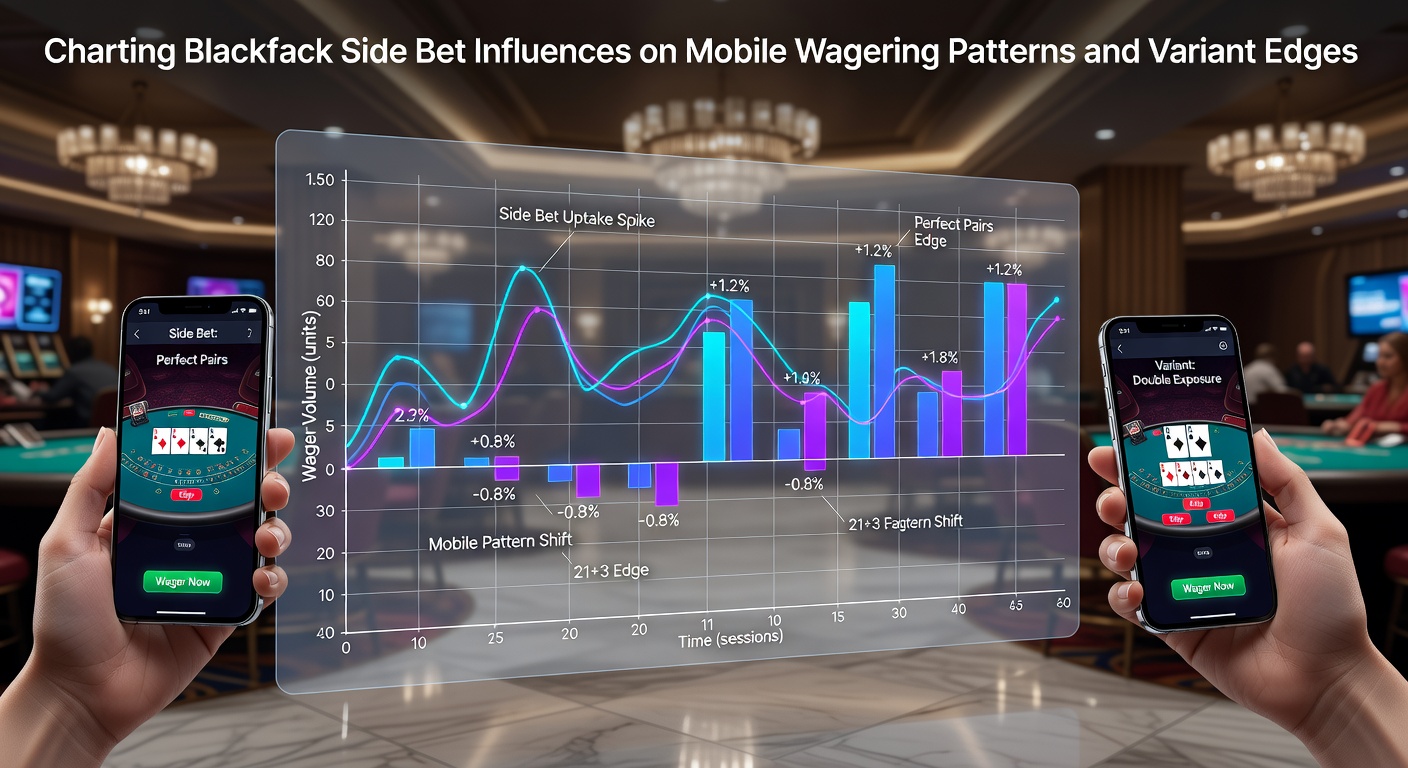
Data from mobile gaming platforms indicates that side bets such as Perfect Pairs and 21+3 alter player wagering frequency by encouraging additional stakes per hand, while simultaneously shifting the overall house edge across different blackjack rule sets. Players on smartphones often place these optional wagers at higher rates than desktop users because interface designs allow quick selections between rounds without extended pauses.
Research compiled by industry analysts shows side bet participation rates climbing steadily through early 2026, with mobile sessions accounting for the majority of incremental volume. The added bets change expected returns because each side wager carries its own payout structure and probability curve independent of the primary hand outcome.
Side Bet Mechanics and Their Direct Impact on Edge Calculations
Perfect Pairs awards payouts ranging from 5:1 to 30:1 depending on whether a matching pair appears in the initial two cards, yet the mathematical expectation remains negative for the player once the full deck composition enters the equation. When operators integrate this option into multi-deck mobile variants the base game edge can rise by 0.5 to 2.8 percentage points according to rule variations such as dealer hit or stand on soft 17. Observers note that 21+3 combines poker-style combinations with blackjack totals, creating a separate probability matrix that further compounds the house advantage when players activate it repeatedly.
Variant edges respond differently once side bets enter play because some rule sets already embed lower base edges through single-deck offerings or favorable surrender options. Data indicates European blackjack configurations experience a proportionally larger shift when side bets activate compared with American double-deck games because the absence of the dealer hole card interacts with the side bet settlement timing.
Mobile Interface Patterns Driving Increased Side Bet Volume
Smartphone applications streamline side bet placement through persistent buttons that remain visible throughout each round, prompting users to engage more often than they might at physical tables. Session logs reveal that average hands per minute increase on mobile, which in turn multiplies opportunities for side wager placement within the same time window. Figures from platform telemetry demonstrate that users who enable quick-bet toggles allocate 18 to 27 percent of total wagered amounts to side options rather than concentrating funds on the primary hand.
Geolocation tracking combined with time-of-day metrics shows peak side bet activity occurring during commute hours and late evening slots when shorter attention spans favor simplified decision trees. These patterns hold across multiple operator datasets collected up to May 2026.
Comparative Edge Adjustments Across Popular Variants
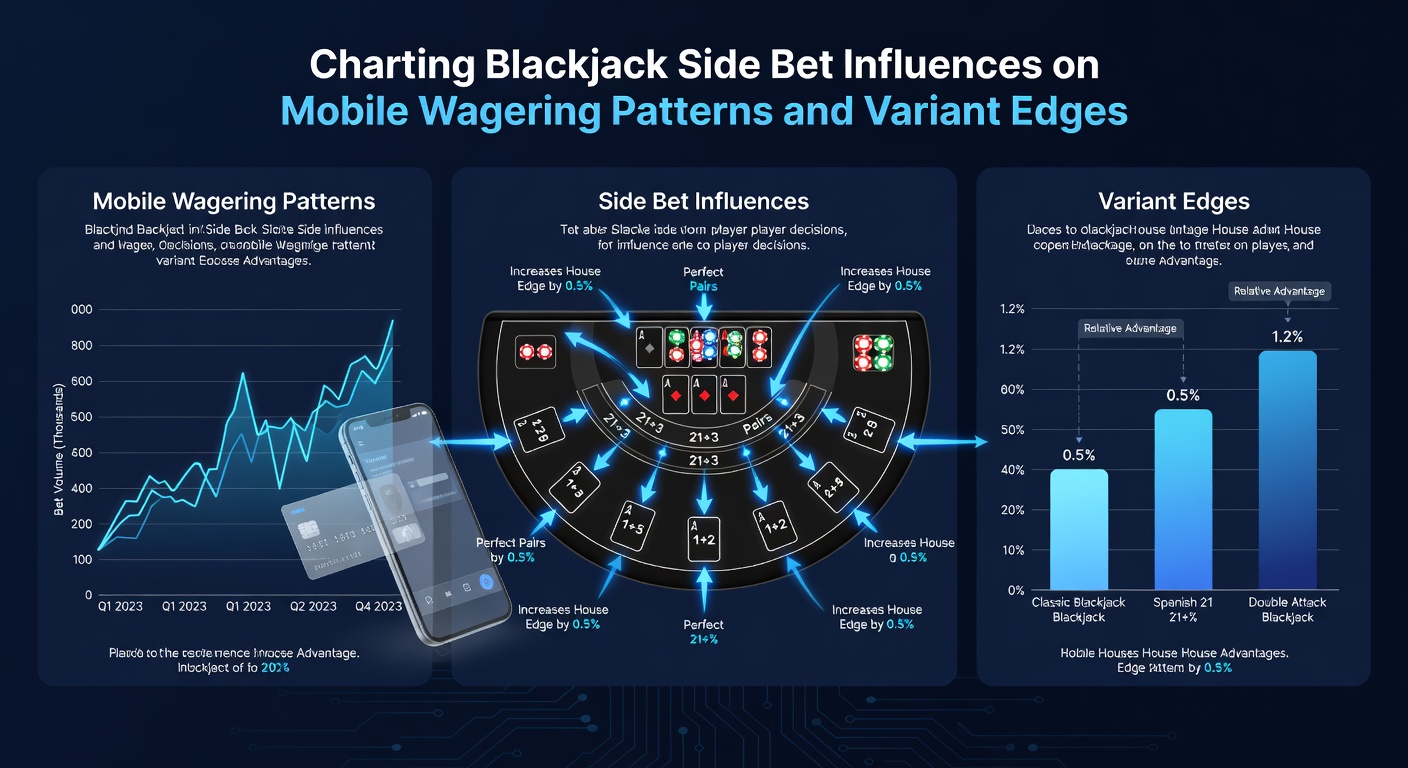
Double-deck variants experience a measurable edge increase when side bets attach because fewer cards remain for tracking composition changes, amplifying the negative expectation of the side wager itself. Multi-hand mobile modes compound this effect as players often replicate side bets across simultaneous hands, raising total exposure without proportional return adjustments. Studies conducted by the University of Nevada, Las Vegas Center for Gaming Research reveal that side bet RTP in these environments falls between 92.3 and 96.1 percent depending on the exact payout table selected by the operator.
Single-deck offerings advertised on mobile retain lower base edges yet still see side bet integration push the combined house advantage above 1.5 percent once Perfect Pairs or similar options activate consistently. Canadian regulatory filings from the Alcohol and Gaming Commission of Ontario document similar shifts in provincially licensed apps where side bet menus appear by default rather than through opt-in selections.
Player Behavior Trends and Wagering Distribution
Telemetry from major mobile providers indicates that new accounts place side bets at elevated frequencies during the first 50 hands before settling into lower participation rates, suggesting an initial exploratory phase followed by selective usage. Repeat users who favor turbo-speed rounds maintain higher side bet ratios because teh compressed game cycle reduces time available for deliberate bankroll allocation decisions.
Regional differences emerge when comparing North American and European mobile markets, with the former showing stronger correlation between bonus credit usage and side bet activation. Those patterns align with promotional structures that credit side wagers at the same rate as main bets, thereby extending promotional funds across more outcomes per round.
Conclusion
Side bet integration on mobile platforms continues reshaping both wagering volume distribution and the effective edges attached to each blackjack variant. Platform data collected through May 2026 confirms that interface convenience and payout visibility drive sustained participation, while rule-set differences determine the magnitude of edge adjustment. Operators and analysts tracking these metrics gain clearer insight into how optional wagers modify long-term return profiles across the expanding range of digital blackjack offerings.