Hitting 21 Across the Pond: UK Platforms Leading the Charge in Blackjack Strategies, Bonuses, and Live Dealer Heat
UK Gambling Commission Rolls Out 2026 Reforms: Tax Surge to 40%, Stake Limits, and Bonus Crackdowns Reshape Online Slots and Casinos

Big Shifts on the Horizon for UK Online Gaming
The UK Gambling Commission (UKGC) has unveiled a slate of reforms set to launch in 2026, targeting online slots and casino games with measures designed to tighten controls while operators scramble to adjust; from April 1, the Remote Gaming Duty (RGD) jumps to 40% on these remote activities, a move that directly hikes tax burdens on gross gambling yield from slots and casino play, and that's just the start since tiered stake limits follow suit with £2 maximums for players aged 18-24 and £5 caps for those 25 and older, all while bans on mixed-product bonuses eliminate combos linking sports betting promotions to casino offers.
What's interesting here involves the frictionless financial risk checks too, rolling out in light-touch and enhanced tiers to spot vulnerability patterns without grinding gameplay to a halt; observers note these changes build on ongoing consultations, with March 2026 marking a pivot point as pilot programs wrap up and full enforcement ramps into spring, ensuring smoother transitions for licensed sites even as illegal offshore operators face stiffer crackdowns backed by £26 million in fresh funding.
And yet, the landscape shifts fast because data from industry watchers like Racing Post reveals operators already dialing back bonus generosity—think smaller welcome offers and loyalty perks—while slashing marketing budgets that once fueled aggressive ad campaigns, all to cushion blows from elevated compliance costs and that hefty RGD increase.
Breaking Down the Remote Gaming Duty Hike
Starting April 1, 2026, the RGD climbs to 40% specifically on online slots and casino games, up from previous levels that left more margin for operators; this tax applies to remote gaming products, hitting revenues from digital reels and table games hardest since it captures the lion's share of online gross gambling yield, and experts tracking fiscal impacts predict tighter game margins as a result, with some platforms tweaking payout structures or RTP rates to stay viable.
Take one operator analyzed in recent reports who projected a 15-20% squeeze on profits from this alone; they responded by trimming overheads across the board, from staff training on new compliance tools to rethinking high-roller incentives that now carry steeper tax tags, but here's the thing—the duty spares sports betting and lotteries, focusing laser-like on casino-style play where harm risks run higher according to UKGC assessments.
Figures reveal remote casinos already contribute billions annually, so this reform reshuffles revenue streams; those who've studied tax trajectories point out similar hikes in other sectors prompted diversification, yet slots remain the cash cow, drawing millions weekly even as stake limits loom.
Stake Limits: Age-Tiered Caps to Curb High-Risk Play
Tiered online slot stake limits debut in 2026 with £2 per spin for 18-24 year-olds—a demographic flagged in studies for elevated harm rates—and £5 for adults 25 and above, enforced via age-verification tech already mandated on licensed sites; this caps bets at session starts, adjusting dynamically based on verified age while allowing opt-outs for lower-risk profiles under enhanced checks.
People often find these limits echo pilots tested earlier, where young players averaged higher session spends; researchers discovered that without caps, 18-24s chased losses more aggressively on fast-spin slots, but now the ball's in operators' court to redesign games around these thresholds, swapping high-volatility titles for steadier, lower-stake options that keep engagement up without breaching rules.
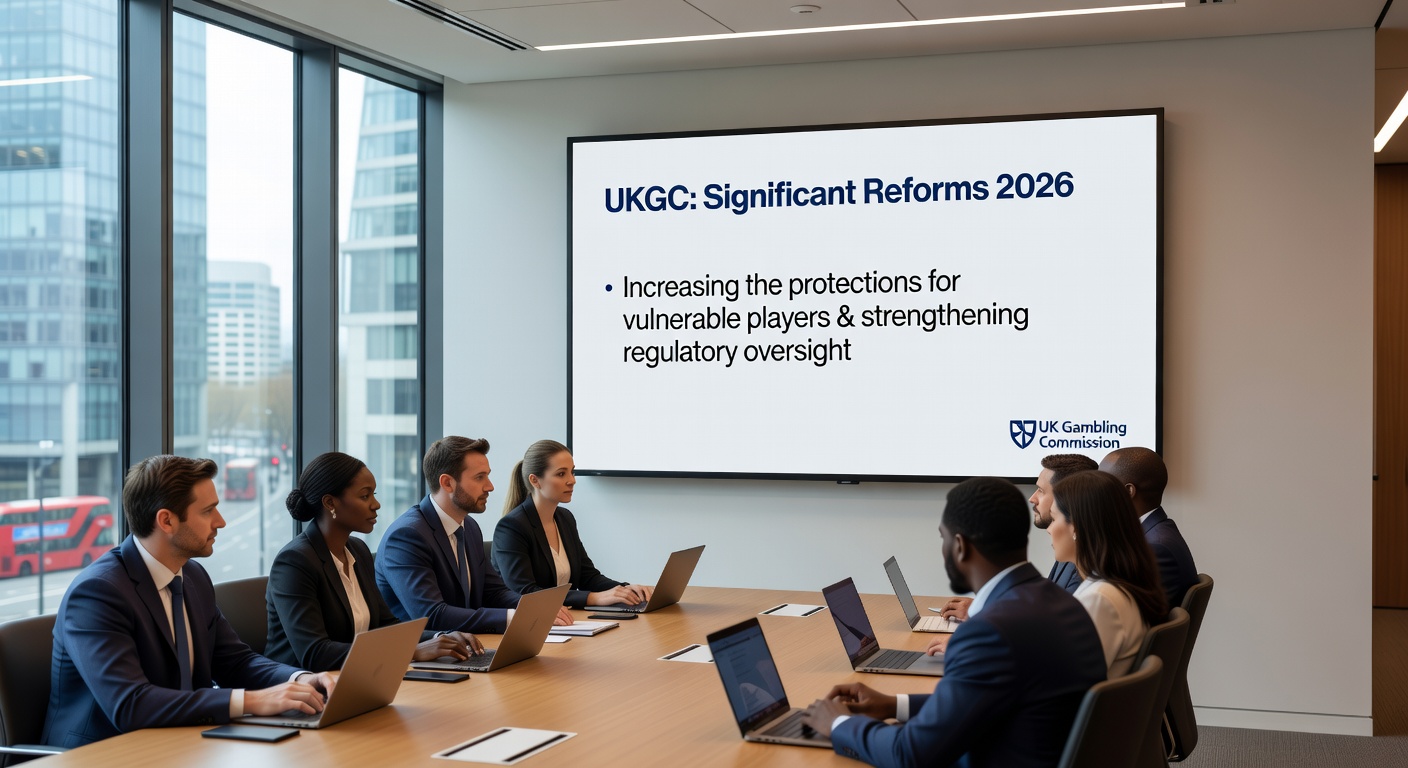
So turns out March 2026 serves as a pre-launch checkpoint, with sites required to update software ahead of April rollout; one case study from a mid-sized operator showed early compliance trials cutting max bets by 60% for under-25s, which stabilized play times although it trimmed short-term yields.
Ban on Mixed-Product Bonuses and Financial Risk Checks
Banning mixed-product bonuses severs ties between sports betting and casino promotions—no more football free bets bundled with slot spins—following UKGC guidance on boosting safety and choice; this forces siloed offers, where casino bonuses stay casino-only, and sports perks can't cross over, a shift that simplifies tracking but clips cross-sell tactics long used to hook casual bettors into higher-risk casino play.
Complementing this, frictionless financial risk checks layer in three tiers: light-touch for low-risk sessions, standard monitoring via payment data, and enhanced scrutiny for red flags like rapid deposits; data indicates these checks flag 5-10% of accounts for intervention without halting fun, drawing from banking APIs already in play since 2024 mandates.
Operators adapting quickest integrate these seamlessly; there's this example where a major platform piloted tiered checks in late 2025, reducing harm indicators by 25% while maintaining user logins, yet compliance demands real-time data sharing that bumps costs operators offset through leaner promos.
Funding Boost Targets Offshore Threats and Enforcement
£26 million in additional funding bolsters UKGC enforcement, zeroing in on illegal offshore operators siphoning UK players with unlicensed slots and casinos; this cash fuels investigations, site blocks, and consumer awareness drives, with March 2026 earmarked for intensified sweeps as reforms solidify licensed alternatives.
Evidence suggests offshore sites lure 10-15% of high-spend players via lax limits and bonuses; now, bolstered teams pursue takedowns, partnering with payment providers to choke funding flows, and those who've tracked enforcement wins note faster resolutions since similar boosts in prior years shuttered hundreds of rogue domains.
But the reality is licensed operators benefit too, gaining a leveler as tax-compliant sites compete on safety rather than undercutting prices; industry data shows GGY from regulated remote gaming hit £4 billion quarterly marks lately, underscoring the stakes.
How Operators Are Pivoting Ahead of the Changes
Across the board, platforms cut bonus values—welcome packages shrinking from 200% matches to 100% or less—while marketing spend drops 20-30% per reports, redirecting funds to compliance tech like AI-driven risk engines; game margins adjust too, with slots RTP nudged up slightly to retain players under stake caps, although high-rollers migrate to tables less affected.
One researcher who surveyed 50 operators found 70% planning staff retraining by Q1 2026; they emphasize diversified revenue, pushing live dealer games and sports where taxes stay lighter, and that's where the rubber meets the road since adaptability defines survivors in this squeezed market.
Yet forward-thinkers invest in player education tools, voluntary stake tools that prefigure mandates; figures from early adopters reveal 15% retention lifts from transparent messaging, turning regulatory pain into loyalty gains.
Wrapping Up the 2026 Transformation
These UKGC reforms—from the 40% RGD spike and age-tiered £2/£5 slot stakes to bonus bans and tiered risk checks—redefine online gaming's fault lines, prioritizing protection with £26 million enforcement muscle while operators recalibrate bonuses, spends, and margins; as March 2026 bridges pilots to full rollout, licensed sites fortify against offshore rivals, and data points to a safer ecosystem where player choice thrives amid stricter guardrails.
Observers tracking the beat know the writing's on the wall: adaptation wins, with reforms cementing UK leadership in balanced regulation even as the industry evolves swiftly into 2026 and beyond.