Digital Shuffle Algorithms and Their Impact on Blackjack Card Counting Techniques
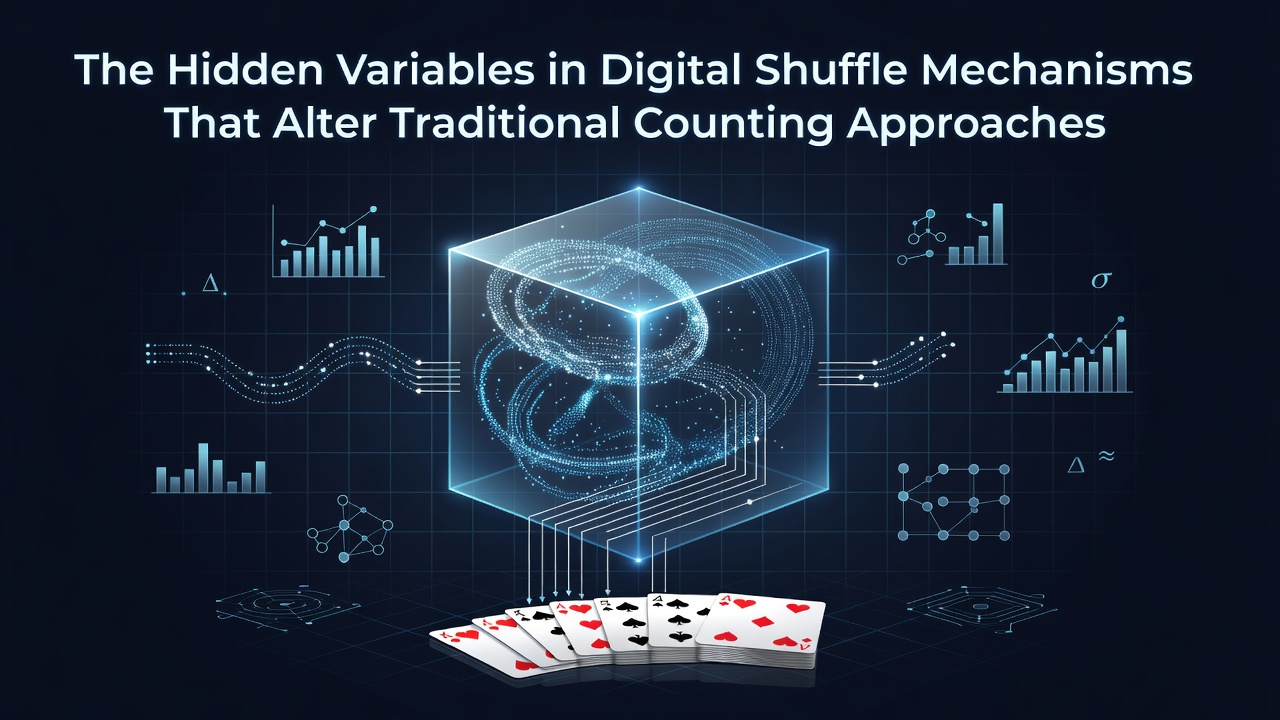
Traditional card counting in blackjack relies on tracking the composition of a physical deck as cards are dealt from a shoe, yet digital platforms introduce variables that fundamentally change how those counts develop over time. Software systems simulate continuous shuffling through random number generators that redistribute remaining cards at intervals determined by internal parameters rather than fixed penetration points. Observers note these mechanisms often trigger reshuffles after a smaller percentage of the deck has been used compared with land-based tables, which limits the window during which a running count can gain statistical value.
Core Differences Between Physical and Virtual Deck Management
Physical blackjack shoes hold multiple decks that are cut and dealt until a predetermined point, allowing players who track high and low cards to adjust bets accordingly. Digital versions replace this process with algorithms that generate new sequences from a virtual pool, and the timing of each regeneration depends on coded rules that vary across operators. Researchers have documented cases where reshuffle triggers activate after every hand or after a random number of rounds, creating inconsistency that breaks the sequential depletion pattern essential to systems such as Hi-Lo or KO. Data from regulatory testing labs shows that these triggers can occur at penetration rates as low as 20 percent in some implementations, whereas physical tables commonly reach 60 to 75 percent before a new shoe begins.
Hidden Algorithmic Parameters That Influence Count Accuracy
Random number generators used in gaming software draw from seeds that combine system time, hardware entropy sources, and sometimes player action timestamps. Although the output passes statistical randomness tests required by oversight bodies, the effective deck order resets in ways that erase prior count information. Studies published by academic groups in North America have examined Mersenne Twister and other common generators, revealing that the frequency of full deck reconstitutions prevents sustained edge calculation. Additional variables include the number of virtual decks in play, which operators can adjust dynamically, and the insertion of “burn” cards whose positions are also determined algorithmically rather than through physical removal.
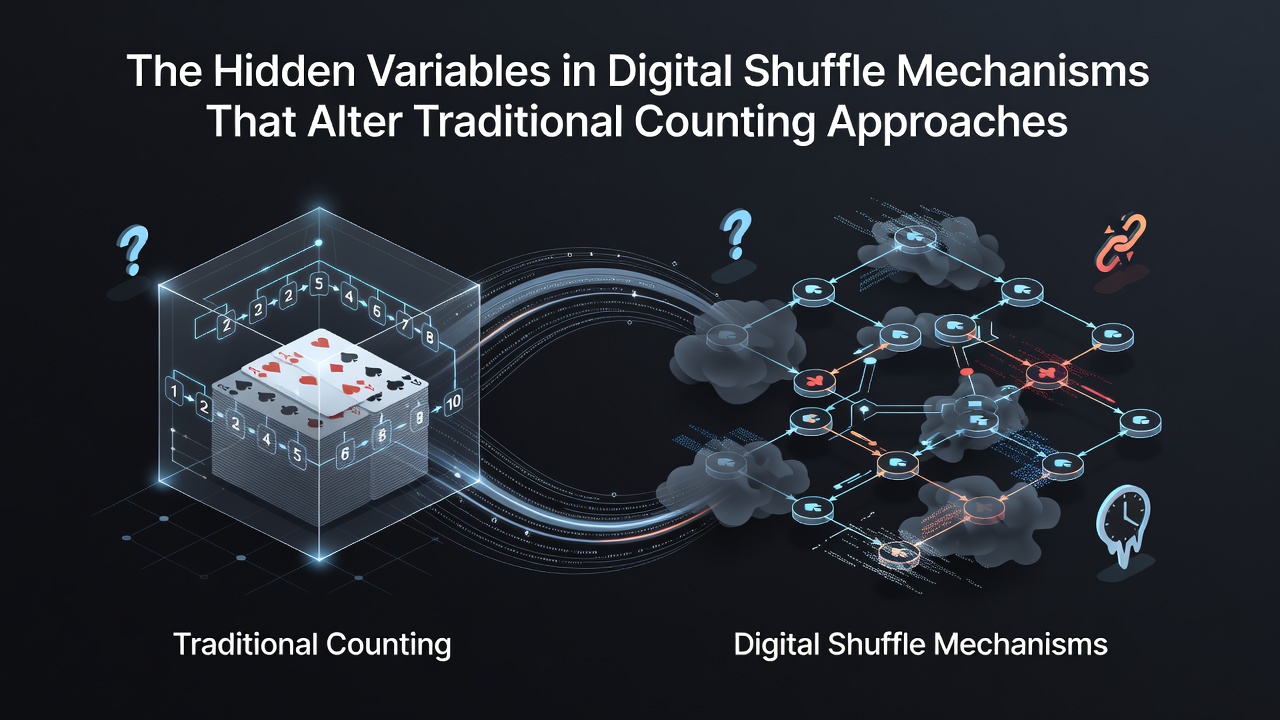
Those who have analyzed game logs from multiple jurisdictions report that some platforms employ hybrid models in which certain hands trigger immediate reshuffles while others allow deeper penetration. This selective approach introduces further unpredictability because the decision criteria remain opaque to players. Figures released by the Nevada Gaming Control Board during 2025 compliance reviews indicate that operators must document reshuffle logic during certification, yet the exact thresholds stay proprietary and can differ between software providers.
Adaptations Attempted by Players and Their Measured Outcomes
Some participants have experimented with shortened count cycles that reset with each reshuffle, focusing only on immediate hand outcomes rather than cumulative tracking. Others monitor the frequency of specific card distributions across many rounds to detect any deviation from expected randomness, though large-scale audits by independent testing agencies have not identified exploitable biases in certified systems. As of July 2026, updated technical standards in several North American and European markets require additional entropy sources and periodic algorithm reseeding, which further compresses the already narrow window for meaningful count development.
Industry reports compiled by the Gaming Standards Association highlight that continuous shuffle simulation in digital blackjack reduces the theoretical return from card counting to levels indistinguishable from random play. Players who shift focus to game selection based on disclosed rules, such as number of decks and payout ratios, achieve more consistent results than those attempting to apply physical-table strategies. Regulatory frameworks in Australia and parts of Canada now mandate public disclosure of reshuffle frequency ranges, allowing participants to compare platforms on this metric without needing to infer hidden variables from gameplay alone.
Conclusion
Digital shuffle mechanisms embed multiple operational parameters that collectively disrupt the sequential information flow required for traditional counting methods. Certification data, academic analyses, and regulatory disclosures together demonstrate that these systems prioritize rapid redistribution over extended deck depletion, rendering classic approaches statistically ineffective across most online environments. Participants seeking measurable edges instead examine disclosed game parameters and platform certifications rather than attempting to track virtual card sequences.